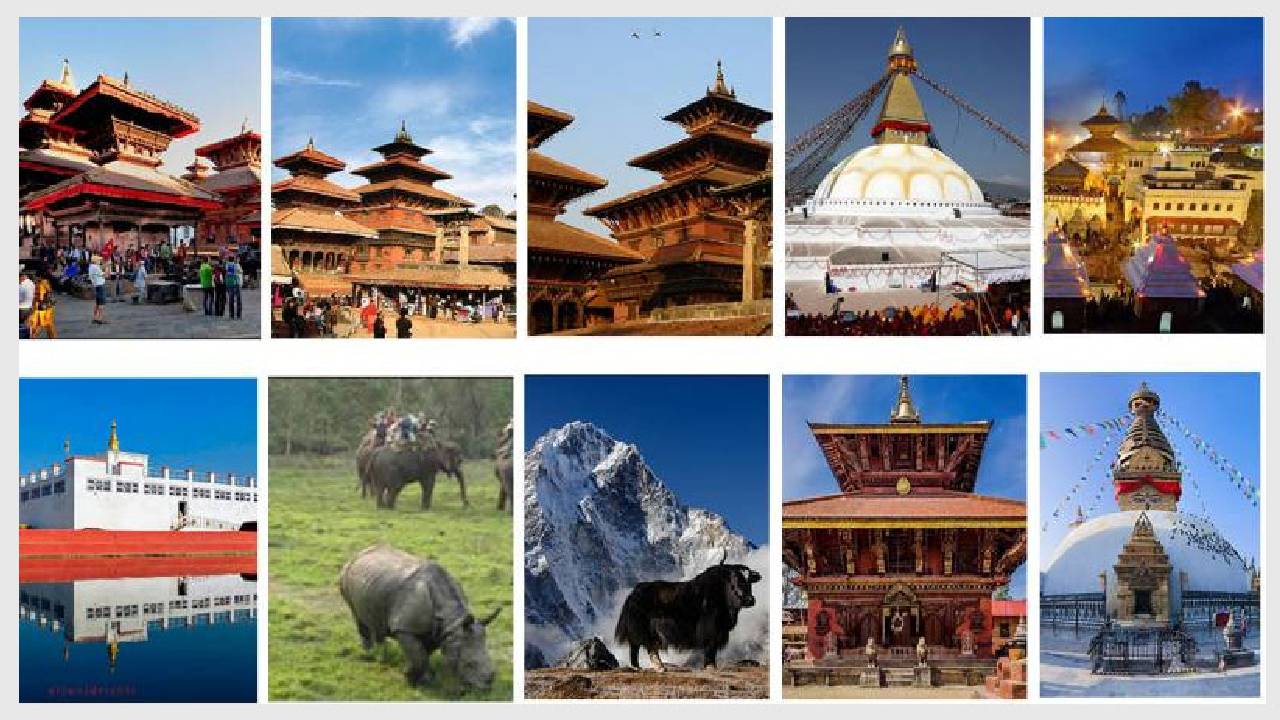

Nepal is a country rich in culture, tradition, and spiritual history. With its diverse ethnic groups, ancient temples, royal palaces, and sacred pilgrimage sites, Nepal offers unforgettable cultural and heritage tour experiences. From the UNESCO-listed cities of Kathmandu, Patan, and Bhaktapur to the sacred birthplace of Lord Buddha in Lumbini, Nepal’s cultural landscape tells a story that spans centuries. These tours attract travelers who want to explore more than just mountains—they come to witness living history, architecture, festivals, and spiritual practices.
1. Kathmandu Valley Heritage Tour
The Kathmandu Valley is often the starting point for cultural tours in Nepal. This valley includes three historic cities—Kathmandu, Patan (Lalitpur), and Bhaktapur—each filled with temples, palaces, and ancient monuments that reflect the artistic and religious traditions of the country.
- Kathmandu Durbar Square is home to the old royal palace, traditional pagoda-style temples, and the famous Kumari Ghar, where the living goddess resides. The area is a lively mix of history and daily local life.
- Swayambhunath Stupa, also known as the Monkey Temple, sits atop a hill overlooking the city. It is one of the oldest and most revered Buddhist stupas in Nepal. Pilgrims walk clockwise around it, spinning prayer wheels and chanting.
- Pashupatinath Temple is the holiest Hindu temple in Nepal, dedicated to Lord Shiva. It is located on the banks of the Bagmati River and is an important cremation site, offering insight into Hindu beliefs about life and death.
- Boudhanath Stupa, one of the largest in Asia, is a spiritual center for Tibetan Buddhists. Its white dome and colorful prayer flags attract both pilgrims and tourists, especially in the evenings when butter lamps light the area.
These sites form the core of the Kathmandu Valley Heritage Tour and offer a deep dive into Nepal’s spiritual and cultural world.
2. Patan and Bhaktapur
While Kathmandu is more crowded and commercial, Patan and Bhaktapur preserve much of their traditional charm. These two ancient cities are UNESCO World Heritage Sites and are like living museums, showcasing fine examples of Newari art, woodwork, and architecture.
- Patan Durbar Square is famous for its intricate carvings, old courtyards, and temples. The Krishna Mandir, built entirely of stone, is one of the highlights. Patan is also home to many artisans who continue age-old crafts like metalwork and paubha painting.
- Bhaktapur, known as the “City of Devotees,” is perhaps the most preserved of the three cities. Walking through Bhaktapur feels like stepping back in time. The 55-Window Palace, Vatsala Temple, and the towering Nyatapola Temple dominate its Durbar Square. The city is also known for pottery, traditional festivals, and local delicacies like "juju dhau" (king yogurt).
These cities are less rushed and more intimate, offering travelers a quiet and authentic experience of Nepal’s cultural legacy.
3. Lumbini Buddhist Circuit
Lumbini, located in the Rupandehi District of southern Nepal, is a sacred site for Buddhists all over the world. It is the birthplace of Siddhartha Gautama, who later became the Buddha, the founder of Buddhism. This site is part of the international Buddhist circuit and a major destination for spiritual and cultural tourism.
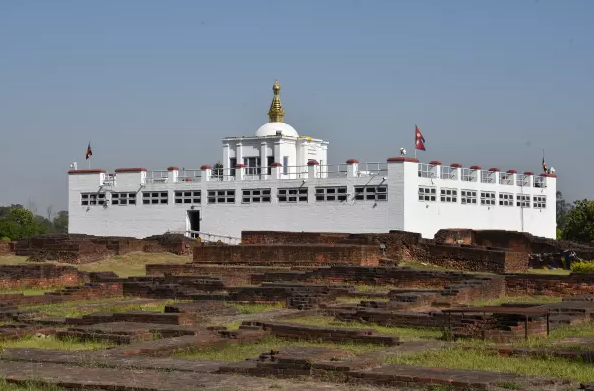
- Maya Devi Temple is the exact spot where Queen Maya Devi gave birth to Buddha. The temple is surrounded by a peaceful garden and archaeological ruins dating back over 2,500 years.
- The Ashoka Pillar, erected by the Indian Emperor Ashoka in 249 B.C., confirms Lumbini as Buddha's birthplace. It remains an important historical artifact.
- Monastic Zone: The area around the temple complex features beautiful monasteries built by Buddhist communities from around the world. These include the Thai, Chinese, Korean, Vietnamese, and German monasteries, each with distinct architecture and spiritual practices.
- Lumbini Museum and World Peace Pagoda also add educational and scenic value to the tour. Visitors often take time to meditate, walk peacefully through the gardens, and learn about Buddha’s teachings.
Lumbini is not just a site—it is a spiritual journey. Whether one is a Buddhist or simply curious, the tranquility and heritage of this place leave a lasting impression.
4. UNESCO World Heritage Sites
Nepal boasts 10 UNESCO World Heritage Sites, out of which 7 are in the Kathmandu Valley alone. These sites represent Nepal’s deep history, religious harmony, and artistic achievements.
- Changu Narayan Temple, the oldest Hindu temple in the valley, is dedicated to Lord Vishnu and features beautiful stone sculptures and inscriptions.
- Patan and Bhaktapur, as previously mentioned, are recognized for their well-preserved architecture and urban design.
- Swayambhunath and Boudhanath, major Buddhist centers, stand as symbols of peace and spiritual devotion.
- Pashupatinath, a Hindu temple complex, is a center of pilgrimage and funeral rites.
Each of these sites is a window into a different chapter of Nepal’s past. Visiting them not only provides historical knowledge but also a spiritual and emotional connection to the country.
5. Cultural Experiences: Festivals, Cuisine, and Traditions
Beyond monuments and temples, cultural tours in Nepal are enriched by local traditions, food, and festivals. Nepalese culture is a beautiful fusion of Hindu and Buddhist practices, with more than 100 ethnic groups adding to its diversity.
- Festivals: Dashain, Tihar, Indra Jatra, Holi, Buddha Jayanti, and Bisket Jatra are just a few examples of colorful festivals celebrated across the country. These events include rituals, music, dances, and processions that provide unforgettable cultural experiences.
- Local Cuisine: A cultural tour is incomplete without trying Nepali food. Dal Bhat (lentil soup and rice), momo (dumplings), Newari dishes, and thukpa (noodle soup) are popular items. In Bhaktapur, try the traditional "juju dhau" and Bara (fried lentil pancake).
- Handicrafts and Art: Visitors can witness traditional craftsmanship in metalwork, thangka painting, wood carving, and pottery. Many workshops in Patan and Bhaktapur allow tourists to observe or even participate in these crafts.
- Cultural Interaction: Staying in heritage hotels, visiting local homes, attending traditional music performances, or participating in a village tour can offer deeper cultural connections. In places like Kirtipur and Bungamati, tourists can explore village life that still follows age-old customs.
A Journey into Nepal’s Living Heritage
Cultural and heritage tours in Nepal are not just about visiting temples and palaces—they are about experiencing a way of life. These journeys provide insight into Nepal’s past and present, its spiritual depth, artistic beauty, and the daily lives of its people.
Whether you choose the Kathmandu Valley Heritage Tour, walk the Buddhist paths of Lumbini, or explore the medieval cities of Patan and Bhaktapur, each tour offers a chance to discover Nepal's heart. Rich in meaning, color, and tradition, these experiences will leave you with memories that last a lifetime.
Nepal invites all travelers not just to see but to feel—to connect with its people, faiths, and timeless culture.
